Publications & Research
Buzzing Blooms investigates the dual role of biodiversity-rich spaces — examining how they function as habitats for native pollinators while simultaneously serving as therapeutic, sensory-engaged environments that foster emotional wellbeing meaningful participation and a sense of belonging among children, particularly those who are neurodivergent or underserved. This integrated lens positions each garden not merely as a conservation site but as a living research model where ecological and social outcomes are studied together, each informing the other.
Publications & Presentations
Research Paper
An In-Depth Study of the Impact of Pollinator Gardens on Neurodivergent, Underprivileged Children and Social Inclusion Goals: A Primary Analysis
Presented at the Cambridge Centre for International Research (CCIR) Winter Symposium. Abstract published in the Journal of the Student Network for Open Science (JNOS), and the full paper published in the SSRG International Journal, a peer-reviewed academic journal.
The study explores how pollinator gardens can support biodiversity restoration while improving engagement, participation, emotional regulation and social inclusion among neurodivergent and underserved children.
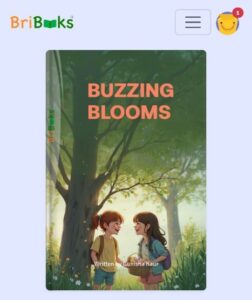
Buzzing Blooms
A youth-focused educational guide introducing children to pollinator conservation, biodiversity and environmental stewardship through storytelling and experiential learning.
Living Schools Framework
The Living Schools Framework is a youth-led policy proposal developed through the field implementation and research work of Buzzing Blooms. The framework explores how schools can evolve into inclusive ecological learning environments that support biodiversity restoration, student wellbeing and experiential education simultaneously.
Rooted in observations across pollinator gardens established in cities, the framework proposes the integration of pollinator-supportive habitats, sensory-inclusive outdoor
learning environments and sustainability-focused infrastructure within educational institutions.
The proposal aligns with the National Education Policy (2020), the Rights of Persons with Disabilities Act (2016) and the Sustainable Development Goals, particularly SDGs 4, 11, 13 and 15.
Key focus areas include:
* Pollinator-friendly school ecosystems
* Sensory-inclusive outdoor learning environments
* Student ambassador programmes for ecological stewardship
* Experiential and interdisciplinary sustainability education
* Youth-led environmental leadership
* Long-term urban biodiversity resilience
The framework draws from field observations conducted through Buzzing Blooms, where ecological spaces demonstrated positive outcomes in student engagement, inclusion, emotional wellbeing and pollinator recovery.
The Living Schools Framework has also been submitted to the Honourable Education Minister of Punjab, Mr. Harjot Singh Bains, for consideration as a model supporting inclusive and sustainable school ecosystems.
Rather than viewing sustainability and inclusion as separate goals, the framework proposes an integrated approach where biodiversity, belonging and learning grow together.