Buzzing Blooms expanded beyond schools, villages, public parks, orphanages and community spaces, creating habitats that supported bees, butterflies and other pollinators while also fostering environmental awareness, education and social inclusion.
Key Design Features
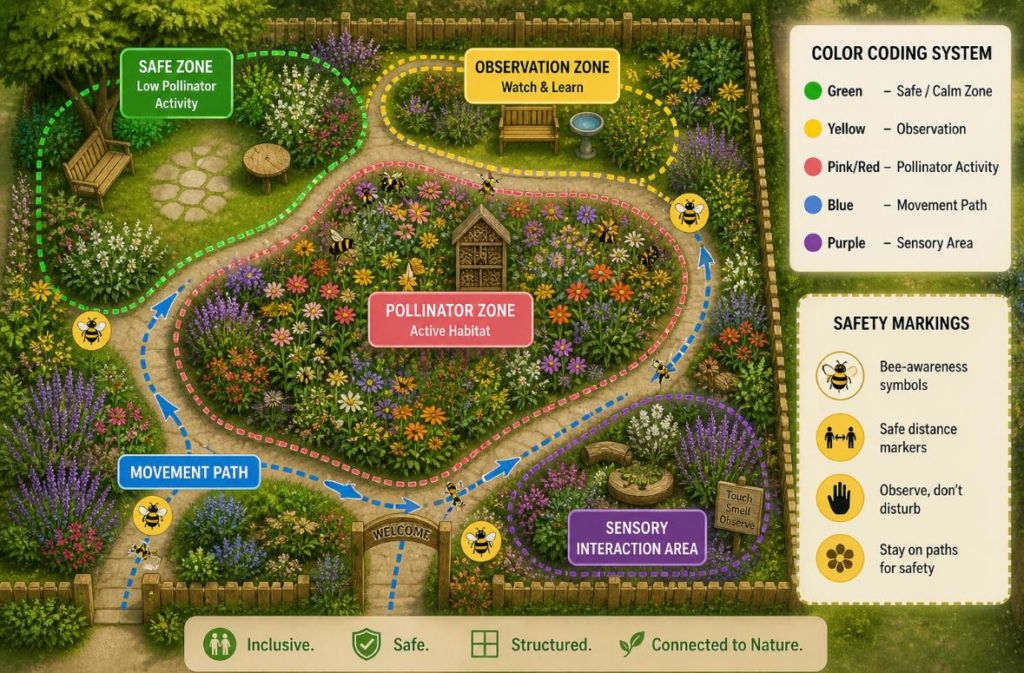
Color-coded zones that help children understand and navigate different areas for activity, observation and calm spaces.
Designated safe zones positioned away from high pollinator activity
Structured pathways and clearly defined layouts that reduce unpredictability
Bee-awareness and safety markers that teach respectful interaction without fear
Layered planting design that allows visual access without sensory overload
Gentle sensory experiences through textures, colours and natural movement
Observation-based zones enabling low-pressure participation
These elements reduce sensory overload, increase predictability and create a sense of comfort and control allowing neurodivergent and neurotypical children to engage together naturally.
In Buzzing Blooms, inclusion is not added—it is designed.
The Green Recovery Kit
A Nature-Based Initiative for Emotional & Environmental Recovery
“Planting a seed is a revolutionary act,
and I truly 100% believe it’s the little things
that are going to make the biggest changes
in the future.”
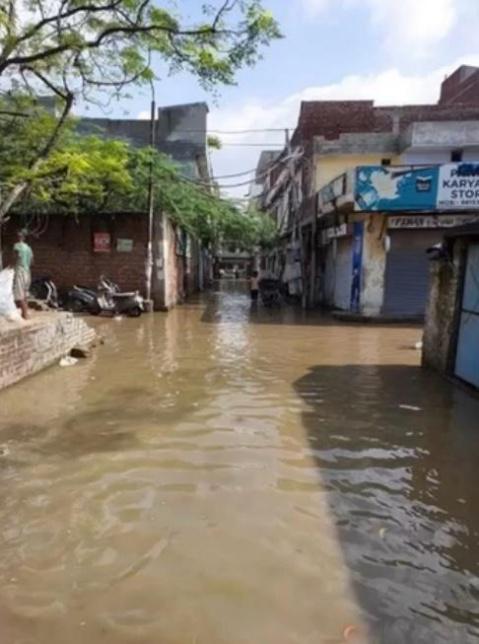
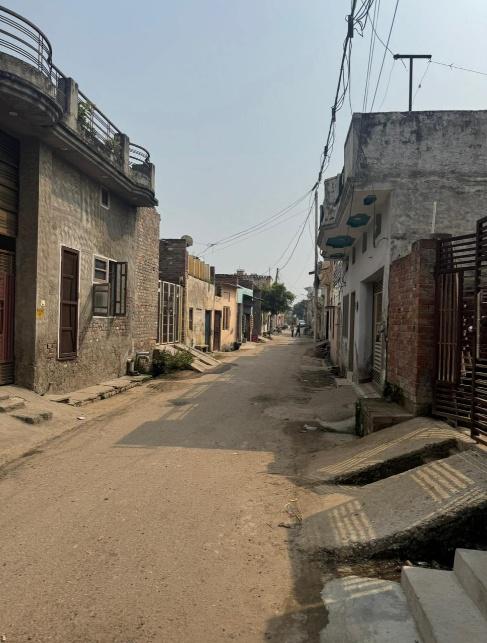
When devastating floods affected parts of Punjab in August 2025, Buzzing Blooms witnessed not only environmental destruction but also emotional loss. Streets were submerged, homes were damaged and many children in villages like Sangowal were left carrying fear, uncertainty and silence long after the water receded.
In response, Buzzing Blooms launched The Green Recovery Kit Initiative — a nature-based relief effort designed to support both environmental and emotional recovery. The initiative aimed to restore hope while also reconnecting children with nature after witnessing environmental devastation around them.
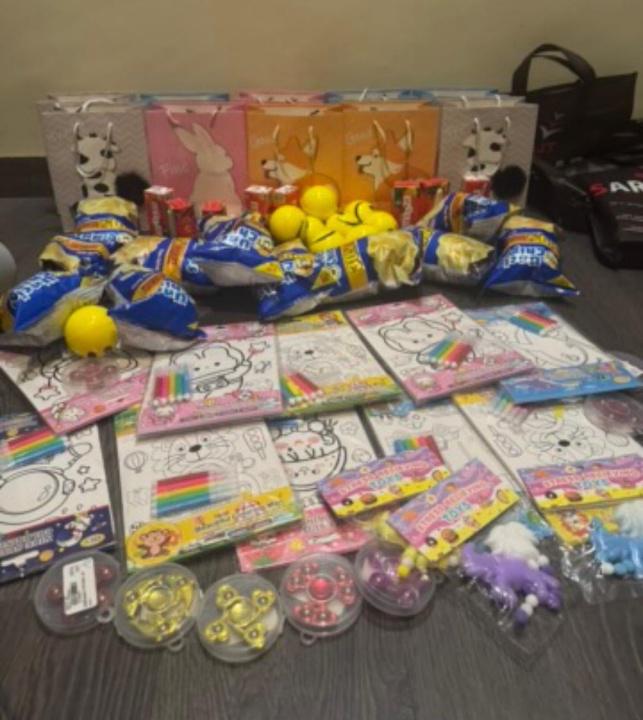
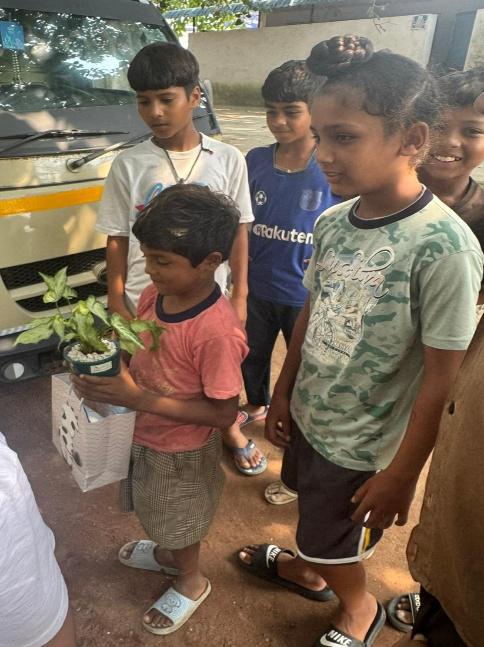
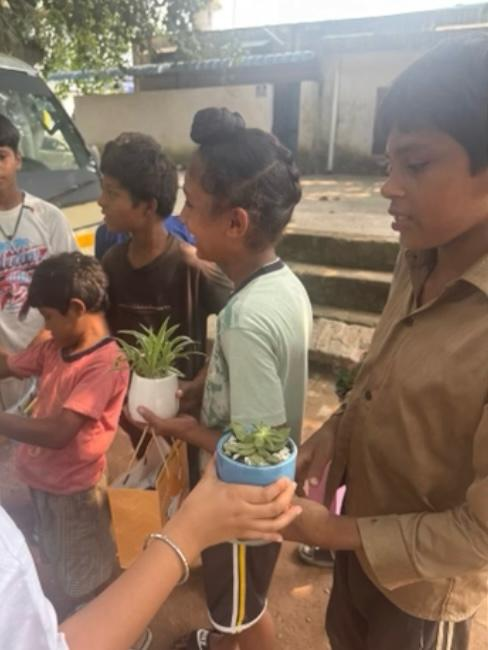
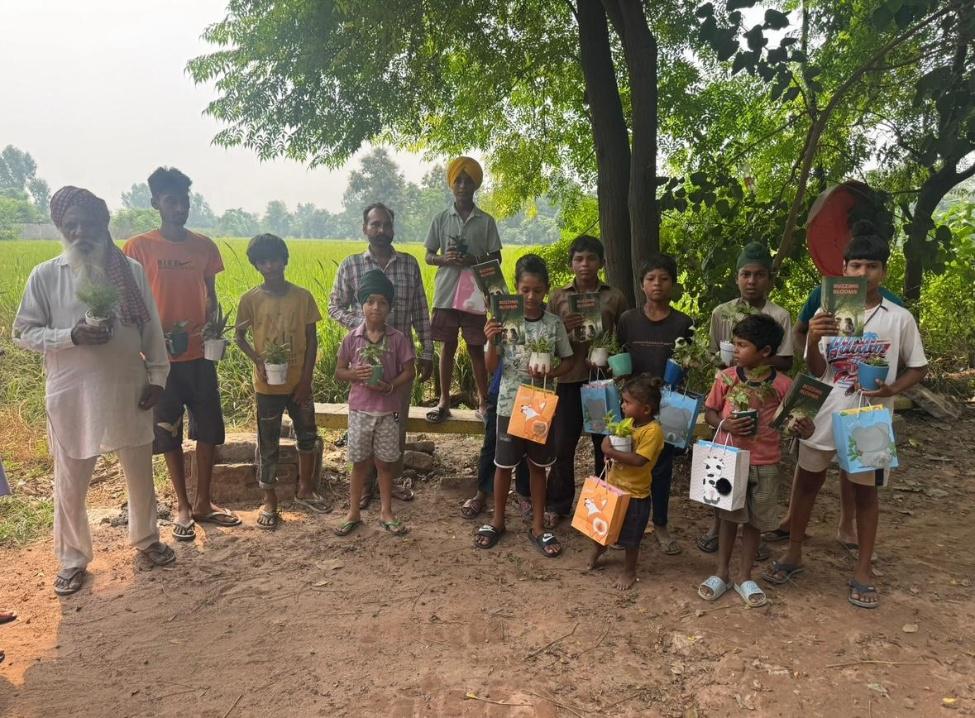
Each Green Recovery Kit was thoughtfully prepared with pollinator seeds, small potted plants, Buzzing Blooms books for children, colouring kits, stress-relief toys, chocolates, chips and drinks. Every item was chosen with care not only to provide comfort but to encourage healing, creativity and emotional connection.
The initiative also focused on restoring the relationship between children and the environment. Families and children planted seeds together, cared for small pollinator plants and participated in conversations about rebuilding greener communities after climate disasters.
As children gathered holding tiny plants and Buzzing Blooms kits in their hands, the atmosphere slowly began to change. What started as a relief effort became a moment of togetherness, resilience and renewal. The smiles returning to children’s faces became a reminder that recovery is not only about rebuilding roads and homes — it is also about rebuilding hope.
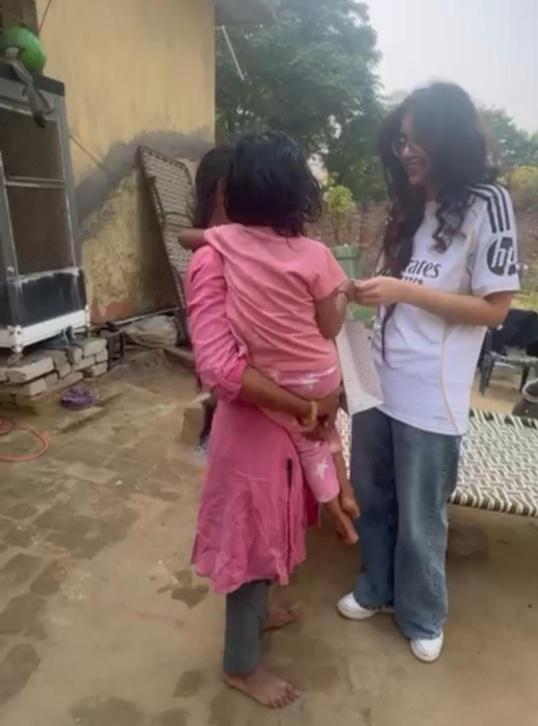
Going home to home, we delivered recovery kits to children and families, bringing comfort, care, and hope in the aftermath of the floods.
One moment remained unforgettable — a young girl gently held her potted plant close to her chest and said she would protect it “like a doll.” In that instant, the initiative became more than aid. It became a symbol of healing, care, and new beginnings.
Today, The Green Recovery Kit Initiative stands as an extension of the deeper vision of Buzzing Blooms: that environmental restoration and emotional healing can grow side by side. By combining ecology, empathy, education, and community care, the initiative demonstrates how small acts of compassion can create lasting impact — for both people and the planet.