A nature-based response to emotional recovery after the Punjab floods
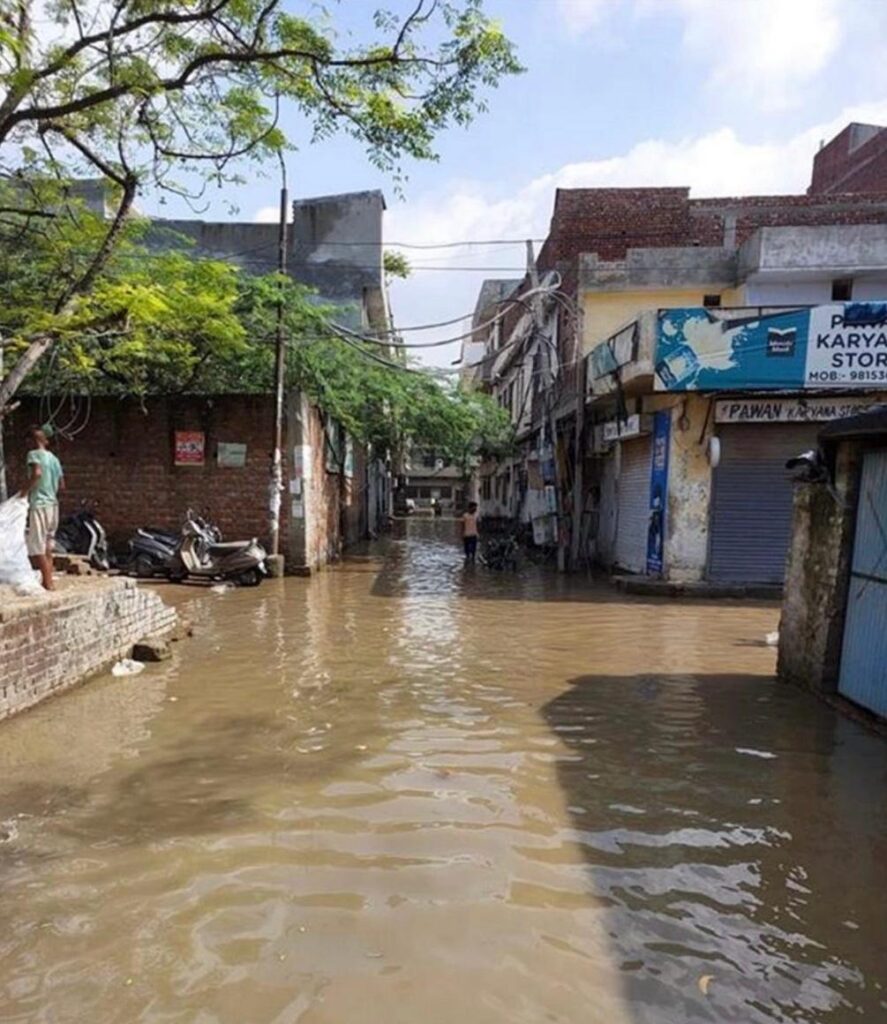
When floods devastated parts of Punjab, the damage went beyond homes and infrastructure. For many children, it disrupted their sense of safety, routine, and emotional well-being. While relief efforts focused on immediate survival—food, shelter, and medical aid—an equally important need remained unseen: healing the mind.
The Challenge
In flood-affected communities like Sangowal near Ludhiana, I witnessed children grappling with anxiety, silence and fear long after the waters receded.
It became clear that rebuilding physical spaces was not enough we needed to rebuild emotional foundations too.
The Solution: The Green Recovery Kit
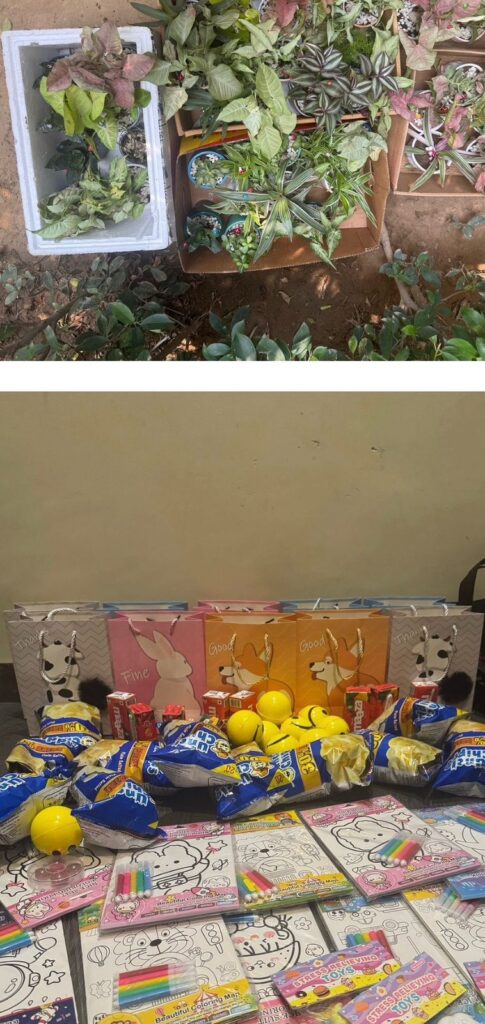
To address this, I designed the Green Recovery Kit—a simple yet powerful intervention that blends ecology with psychology.
A potted pollinator plant – a living symbol of growth, care, and hope
Creative materials – to help children express emotions and reconnect with joy
Comfort items – small sources of immediate relief and familiarity
More than a relief package, each kit became a tool for resilience.
On-Ground Impact
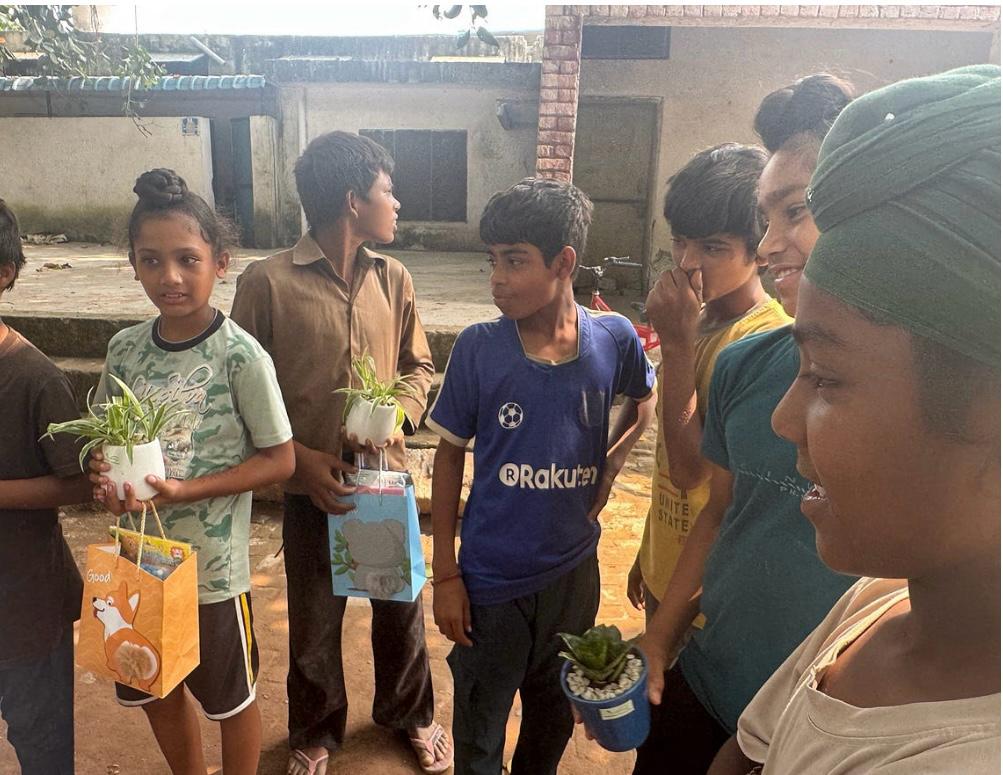
As children received the kits, something shifted.
The same spaces that had echoed with fear began to fill with laughter.
Children started comparing plants, sharing crayons, and engaging with one another again.
One moment stood out deeply:
A young girl held her plant close and said,
“I’ll keep it safe like my doll.”
In that moment, she was no longer a victim of the floods—
she became a caretaker, a protector and a healer.
As children received the kits, something shifted.
The same spaces that had echoed with fear began to fill with laughter.
Children started comparing plants, sharing crayons, and engaging with one another again.
Why This Matters
The Green Recovery Kit redefines disaster response by integrating:
Biophilia – the natural human connection to living systems
Emotional healing through caregiving
Environmental awareness and responsibility
Community-based resilience It demonstrates how small, nature-based interventions can create profound psychological impact, especially for children
Looking Ahead
This initiative is just the beginning.
The vision is to expand the Green Recovery Kit model to:
More flood-prone and disaster-affected regions
Schools, NGOs and community programs
Structured nature-based healing workshops
Because true recovery is not just about rebuilding homes